
There is no universal best time to send a marketing email. Published studies can suggest starting points, but the winning window depends on audience behavior, time zone, message type, lifecycle stage, and what outcome you are optimizing.
Use Industry Timing Data as a Hypothesis
Midweek and working-hour windows often appear in B2B research, while consumer audiences can behave differently in evenings or weekends. Those patterns are useful for choosing an initial test, not for declaring one permanent answer.
Step 1: Define the Outcome
Decide whether the send-time test is trying to improve clicks, conversions, replies, revenue, product activity, or another business result. Open rate alone is a weak final metric because privacy-related tracking can distort it.
Step 2: Segment by Time Zone
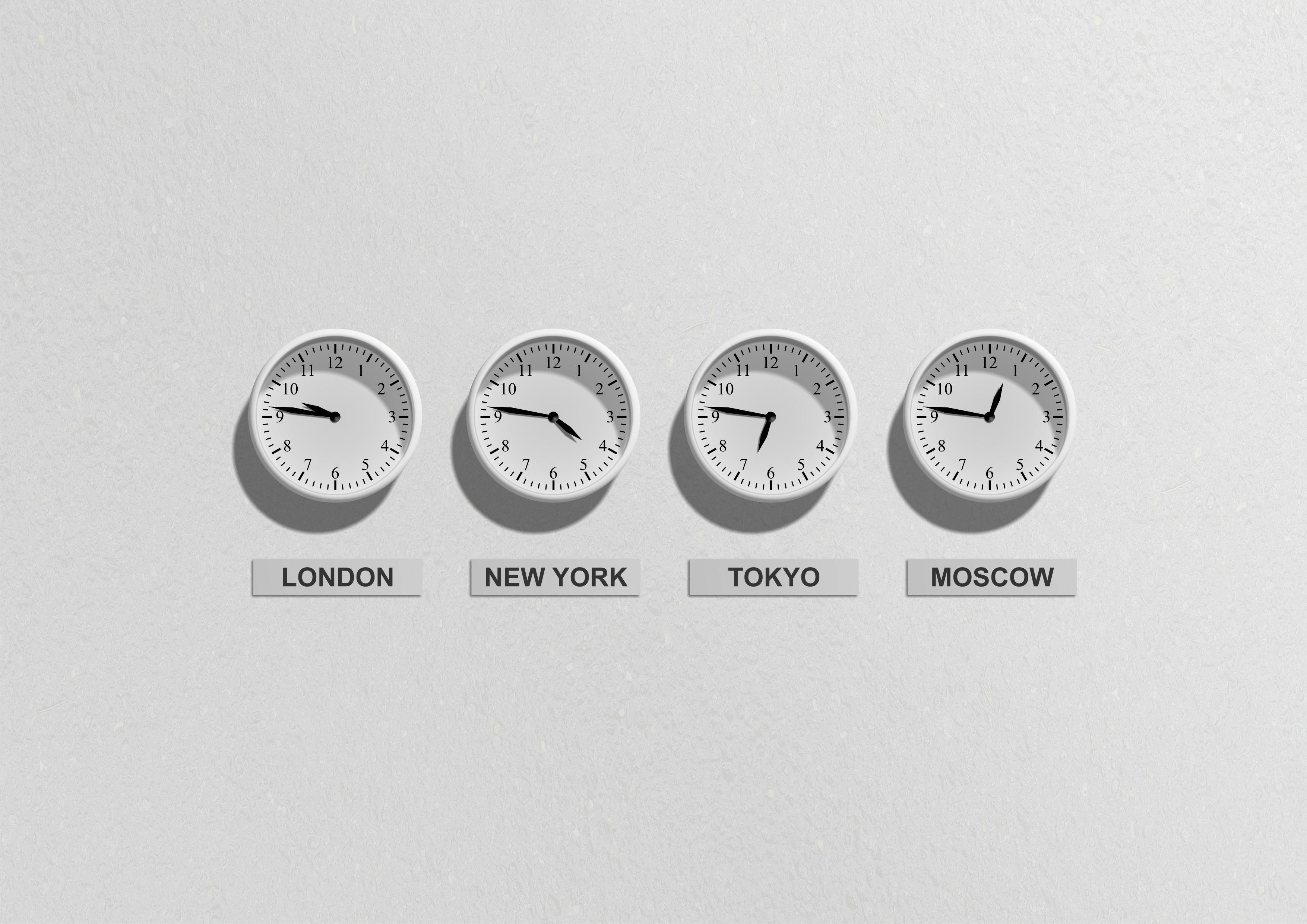
A single global send can reach different regions at very different local times. Where the ESP supports it, test local-time delivery or recipient-time-zone scheduling.
Step 3: Match the Window to the Message
A weekly industry briefing, ecommerce promotion, event reminder, B2B sales nurture, and cart-recovery email do not serve the same context. Timing should follow when the recipient can reasonably act on that message.
Step 4: Run Controlled Tests
Change send time while keeping audience, message, offer, and major creative variables as similar as possible. Repeat the test across multiple campaigns before treating one result as a durable pattern.
Step 5: Separate Triggered Email From Broadcast Timing
Behavior-triggered messages such as password reset, cart recovery, trial milestones, onboarding, and transaction notifications should usually respond to the event rather than wait for a generic “best day.”
Step 6: Watch Guardrail Metrics
A time slot that increases clicks but also causes higher complaints or unsubscribes may not be the right long-term choice. Evaluate the whole outcome.
What Matters More Than Send Time
- audience relevance;
- sender reputation and authentication;
- list quality;
- subject and preheader clarity;
- offer strength;
- mobile and landing-page experience;
- frequency and subscriber expectations.
For campaign-level optimization, see email marketing optimization tips.
Common Send-Time Mistakes
- assuming Tuesday at 10 AM is universally best;
- changing schedule after every campaign;
- testing time while changing subject line and offer at the same time;
- ignoring time zones;
- using open rate as the only success metric;
- delaying high-intent triggered messages to fit a broadcast schedule.
Frequently Asked Questions
Should B2B email always be sent on weekdays?
No. Weekdays may be a sensible starting hypothesis for many B2B audiences, but test against your own list and content type.
Should I always send at the same time?
Consistency can help operations and expectations, but it should follow evidence. Re-test when audience composition, geography, lifecycle, or content strategy materially changes.
Does AI send-time optimization work?
It can be useful when the platform has enough reliable historical data and the campaign type benefits from individualized timing. Measure it against a control rather than assuming the model is better.
Bottom Line
The best send time is an audience-specific result, not an industry fact. Start with a reasonable hypothesis, test by time zone and message type, measure business outcomes, and keep timing secondary to relevance, deliverability, and list quality.



%20How%20to%20find%20clients%20for%20digital%20marketing.jpg)