The question of when to send marketing emails draws disproportionate attention from email marketers — partly because the answer feels like it should be a single magic time slot, partly because the data is genuinely interesting once you look at it. Picking the right send time directly affects whether your message lands at the top of the inbox or buried under thirty newer messages, and the difference between an optimized schedule and a random one often exceeds the difference between an excellent and a mediocre subject line. This guide collects what major industry studies have found, how to translate those findings to your specific audience, and the factors beyond timing that decide whether your campaign actually works.
What Major Studies Say About Send Time
No single time fits every audience, but several major studies converge on the same general patterns. Companies that have published large-scale send-time research include Customer.io and GetResponse on best days; MailChimp, WordStream, Campaign Monitor, and HubSpot on best times of day; and Experian and MailerMailer on general engagement patterns. The findings below pull from those datasets — with the caveat that most studies aggregate across industries, so your specific audience may behave differently.
Best day of the week
In rough order of priority:
- Tuesday. The majority of studies converge on Tuesday as the strongest day across most industries — recipients are settled into the week, less buried in Monday catch-up, and not yet shifting toward weekend mode.
- Thursday. The natural second slot if you send two campaigns per week. Recipients are still actively working but starting to plan for the weekend, which works well for offer-driven sends.
- Wednesday. Solid third option, especially for B2B audiences that maintain steady mid-week engagement.
Weekends earn high open and click rates in percentage terms, but the absolute volume of campaigns sent on weekends is much smaller — so the percentages can be misleading. For B2C consumer audiences, Saturday often performs surprisingly well. For B2B, weekends rarely beat midweek.
Best time of day
- 10-11 AM. The most common winning slot across studies. Recipients have arrived at work, cleared the first urgent items, and are checking inboxes during the mid-morning lull.
- 8 PM to midnight. Surprisingly strong for B2C audiences — recipients check personal email after the work day winds down, and promotional emails compete with less professional noise.
- 2 PM. Post-lunch engagement spike. Many recipients open emails during the early-afternoon dip in concentration, looking for a productive break from focused work.
- 6 AM. Works for audiences that start the day with phone email — common in commuter-heavy B2C segments, less so for B2B.
How to use this data
Use the published ranges as a starting hypothesis, not a final answer. Send your first three or four campaigns at Tuesday 10 AM, measure the open rate, then test alternative slots against that baseline. The studies are useful for picking the starting point; your own audience data is what tells you the actual answer.
Tips for Finding Your Audience's Right Time
If the published ranges do not match your performance, the following steps build a custom schedule:
- Track current performance against a baseline. Note the open rate of your existing schedule for the next three campaigns. That number is what you are trying to beat.
- Study your audience's daily rhythm. Different industries behave differently. Retail audiences peak in evenings and weekends; B2B SaaS peaks midweek mid-morning; healthcare workers check email during shift handoffs. Understand the rhythm before scheduling sends.
- Match content to context. A "weekend project" email lands better Friday afternoon. A "quarterly business review" reads better Tuesday morning. Match content type to recipient mindset.
- Set expectations explicitly. Once you find a schedule that works, stick to it. Subscribers learn to expect your emails on a specific day, look for them, and engage at higher rates as a result. Inconsistent timing trains subscribers to ignore you.
- Test systematically. A/B test send times on segments of your list. Send the same campaign to two groups at different times and compare. Repeat across several campaigns to rule out content-specific anomalies.
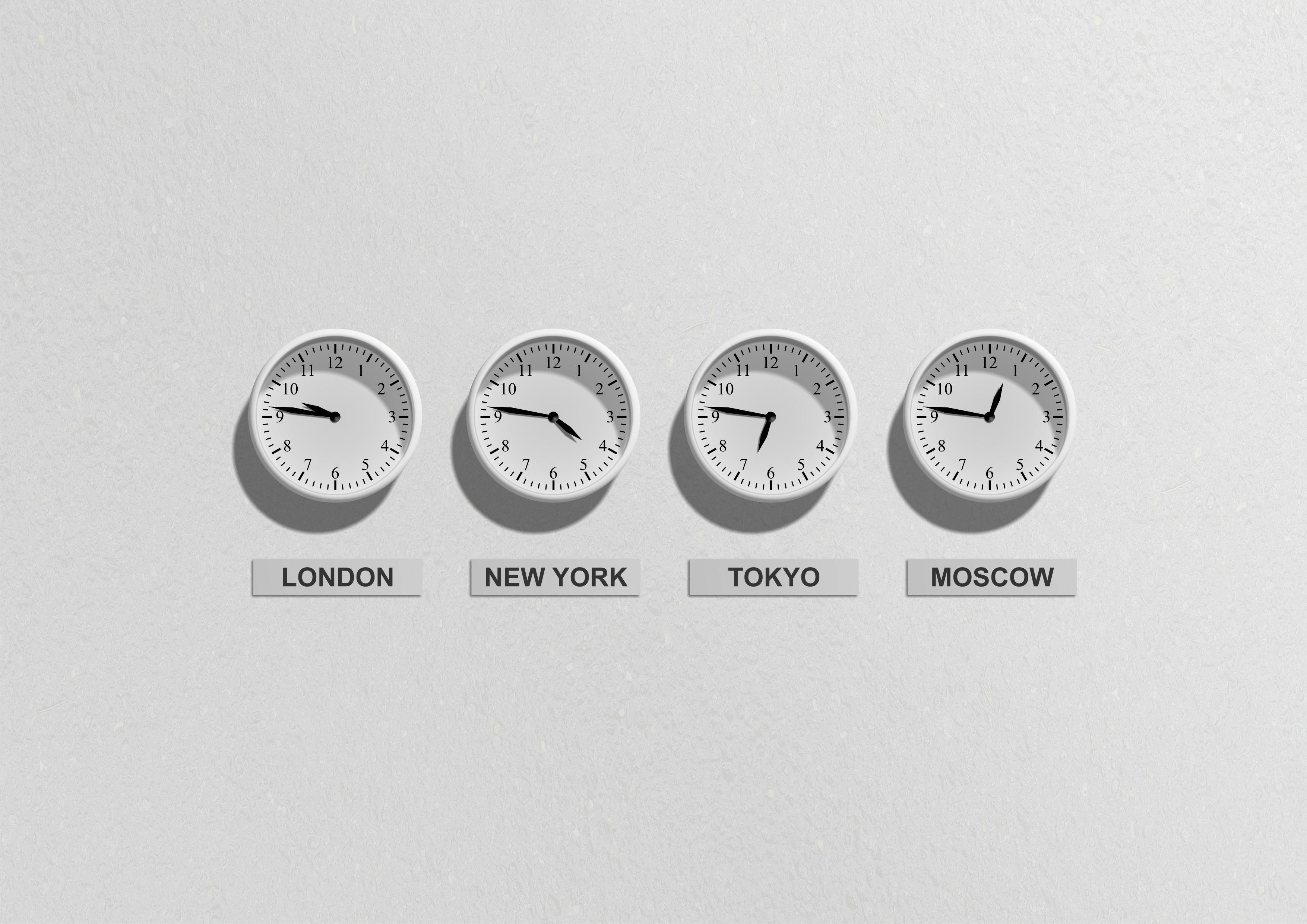
- Consider time zones. Global lists need staggered sends. A 10 AM blast in New York reaches Tokyo at midnight. Most ESPs support time-zone-aware send scheduling — turn it on for any list spanning more than one region.
Why Consistency in Timing Matters
Email marketing works as a process, not a one-time event. Choosing — and sticking to — a send schedule unlocks several compounding benefits.
Educational value compounds
If your product takes time to understand, consistent educational content trains your audience over weeks. The well-designed schedule helps each email build on the last, so subscribers gradually internalize why your product matters and how to use it. Sporadic sends never reach that compounding effect.
Sales conversion improves
Consistent contact builds top-of-mind awareness. When a subscriber finally has the need your product solves, you are the brand they remember — not the competitor who emailed them once six months ago. Regular coupon or offer cadence makes the financial benefit visible repeatedly, increasing the odds of conversion when budget allows.
Relationships strengthen with predictability
Scheduled, expected emails feel like part of the rhythm of a subscriber's week. Random emails feel like interruptions. The relationship-building effect of a steady cadence is real, even if it sounds soft — and it shows up in unsubscribe rates, which stay lower when sends are predictable.
Subscribers reward consistency with engagement
When your campaign cadence is consistent, subscribers anticipate the next email. Anticipation converts to opens; opens convert to clicks; clicks convert to revenue. The chain only works when the first link — anticipation — exists, and that requires predictable timing. See industry benchmarks for a good email open rate to set realistic targets for what consistent timing should produce in your sector.
Sender reputation improves over time
Mailbox providers reward consistent senders with better inbox placement. A schedule that produces steady engagement signals to Gmail and Outlook that your emails are wanted, which feeds back into improved sender reputation and broader deliverability. Random schedules with engagement spikes and droughts confuse the algorithms and produce worse placement on average.
Timing Is Not Everything
Perfect timing on a bad campaign still fails. Other factors carry more weight than the send time, and if your results lag despite good scheduling, look at:
- Pre-send testing. Send drafts to your own addresses, check rendering across iOS Mail, Gmail mobile, and Outlook web. A/B test subject lines before broadcasting. The core email-marketing tips apply on top of any timing optimization.
- List hygiene. Clean your list regularly to remove inactive and invalid addresses. Bad addresses inflate bounce rates and depress open-rate metrics no matter how well-timed the send is. Tools like Proofy's email list cleaning service handle the cleanup; the email validation API handles ongoing verification at signup.
- Send frequency. Sending too often annoys subscribers; sending too rarely loses momentum. Find the cadence your audience tolerates by watching unsubscribe rates campaign over campaign.
Common Mistakes That Override Timing
- Optimizing send time on a dirty list. List hygiene moves engagement metrics more than timing does. Clean the list before chasing timing optimizations.
- Treating one A/B test as final. A single test on one campaign can give the wrong answer. Run timing tests across at least three or four campaigns before drawing conclusions.
- Ignoring time-zone distribution. A blast at 10 AM Eastern misses West Coast openers by three hours. For global lists, time-zone-aware scheduling is non-negotiable.
- Changing schedule after every campaign. Constantly shifting send times destroys the predictability that drives engagement. Pick a schedule, commit to it for a quarter, then evaluate.
- Confusing percentage with volume. A 35% open rate on a Saturday send to 100 recipients does not beat a 28% open rate on a Tuesday send to 10,000. Look at absolute conversions, not just percentages.
Frequently Asked Questions
Does Tuesday morning actually beat Friday afternoon for B2B?
For most B2B SaaS and professional services audiences, yes — Tuesday 10 AM consistently produces higher engagement than Friday afternoon, when recipients are mentally checked out. The exception is content explicitly designed for weekend reading (long-form newsletters, deep-dive analysis), which often performs better Friday or Saturday.
Should I send emails at the same time every week or vary them?
Same time, same day. Variation kills the anticipation effect that drives engagement. Pick a slot, commit, and only adjust based on data from at least four or five campaigns.
Are weekend sends actually a bad idea?
It depends entirely on audience. B2C audiences often engage well on weekends. B2B audiences usually do not. The percentages can look attractive on a small weekend send, but absolute conversion volume usually favors weekday sends.
How long until I see results from a new send schedule?
Three to four campaigns before the data is conclusive. Single-campaign comparisons can be misleading because content quality and audience state introduce noise. Patience is the discipline that separates real timing optimization from chasing one-off results.
Does send-time AI in modern ESPs actually work?
Generally yes, at the individual-recipient level. Per-recipient send-time optimization, where the ESP learns each subscriber's typical engagement hours, lifts open rates measurably for lists large enough to feed the model. For lists under a few thousand, manual scheduling based on aggregate patterns usually performs just as well.